
Time to start creating what you really have in mind.
How
does
it sound?
What have you improved recently?
Shape your trajectory.
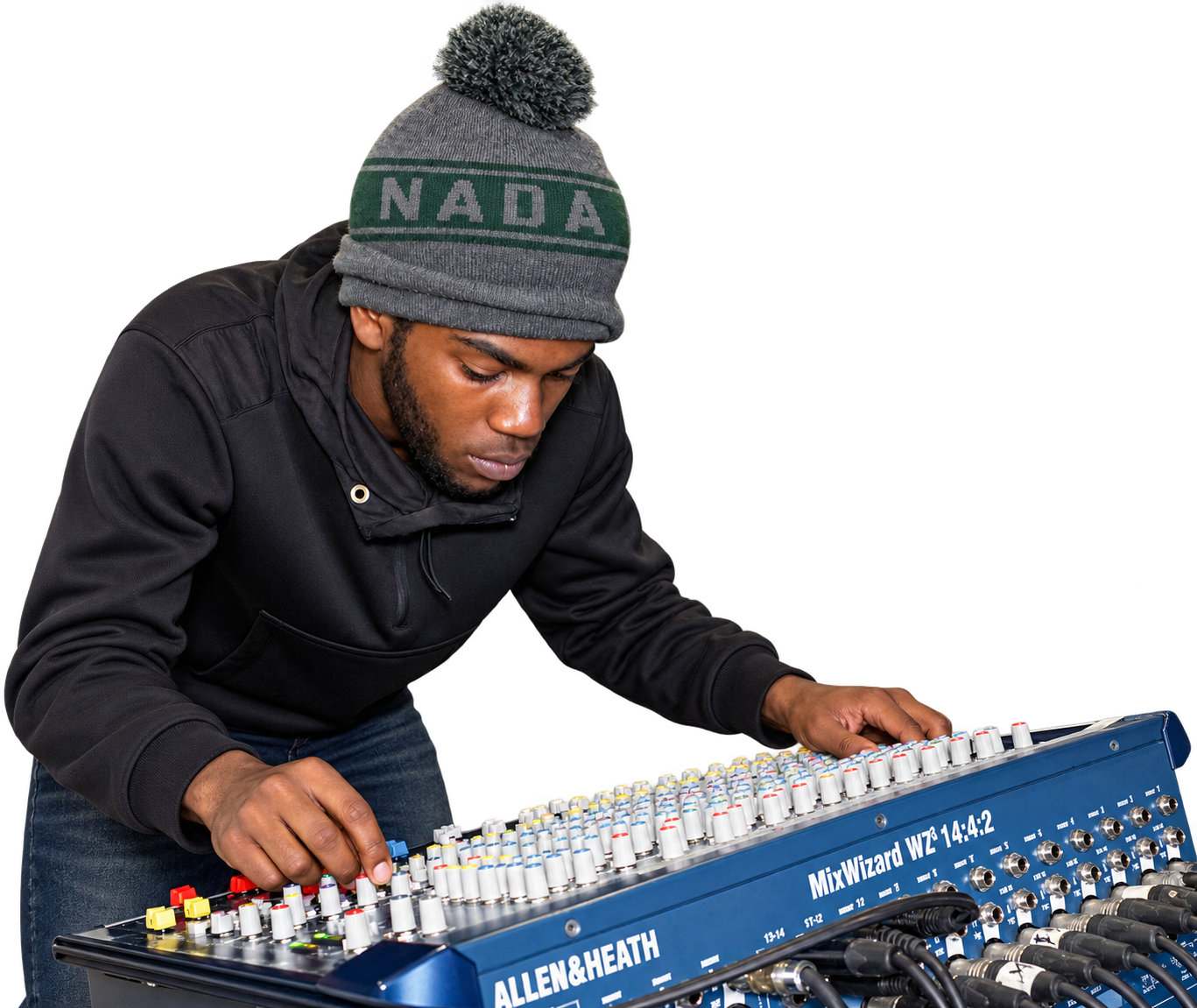
You sound better already
Let's launch your career in less than a year.
Welcome to Recording Arts Canada
We are a boutique college offering advanced sound and music production training in a world-class environment.
Your multifaceted career
RAC graduates are leaders in creative industries around the world.
From Grammys and Academy Awards, to festival design and Triple A video games, no two career paths are the same.
Career insights
| Awards | Graduate | Career / Experience |
|---|
Fast-track your future
More learning in a year than four years of university.
Our program delivers over 30% more training than a 4-year university major, in a quarter of the time, with project-based learning focused on relevant real-world development.
1-Year Sound & Music Production Program
900 hours of specialized training
What is sound? How is sound detected by the human ear? How do different environments affect the characteristics of sound? Why do certain sounds evoke different emotional responses in the listener? These questions and more are answered in Acoustics.
Throughout this course, you will be challenged to start developing your most valuable asset: your critical ear. Critical listening and analysis sessions paired with your understanding of the relationship between sound sources and their environment will prepare you for your first big project: designing your own home studio.
The audio console is the centre of virtually every production environment, be that a live performance, foley creation, or band recording. The audio console connects all the wiring, processors, recording devices, speakers, and other peripherals, and allows the engineer to bring several different tools into one streamlined workflow.
Engineers must be able to work on the various types of analog, digital and virtual consoles. A thorough understanding of each console component, including signal routing, equalization, monitoring, automation, effects control, and operation of dsp cards and plug-ins is essential to every engineer.
How can a musician sound like several musicians at the same time? Is it possible to make keyboards, sequencers and computers communicate with each other and behave as one powerful instrument that can be coordinated by one person? MIDI (Musical Instrument Digital Interface) is a digital serial language that can accomplish all of the above. Musicians no longer have to wait until they are in the studio to actually hear their work! They can listen and revise their projects then use MIDI as a flexible recording tool.
An engineer is playing back a recorded vocal track. While being well recorded, it does not have any sense of space or character, and is not distinct enough to stand out in the mix from the other instruments in the recording. Equalization is applied to the vocal, making it sound more present and brighter. The loudest words are compressed so that the overall track can be raised in volume. The softest words are audible without the loudest words jumping out of the mix. The engineer selects a delay and reverberation program. The voice now sounds as if it was recorded from a stage in some concert hall – it has depth and a sense of its own space.
Signal processing devices are an essential part of every studio. Processors and the Digital Audio Workstation (DAW) provide the engineer with the tools to shape a sound as desired. An understanding of both hardware and software based tools and the ability to incorporate them effectively into the audio chain is essential for engineers and producers.
This course provides a complete study of the recording studio environment. Learning the essentials of analogue and digital recording devices, you will be able to execute all the tasks required for engineering a complete recording session, including session management, recording, overdubbing, mixing, and mastering.
Reinforced by extensive practical and theoretical studies of both analogue and digital realms, you will gain a firm understanding of the advantages and disadvantages of the two mediums. You will also learn the appropriate studio protocol with respect to collaborators, employers and clients.
The Audio Engineer is working on a project and realizes the equipment is no longer functioning adequately. Through an understanding of electronics and electricity, the engineer is able to troubleshoot, assess whether he or she is able to make minor repairs or needs to call for further assistance.
Engineers who understand active and passive components, semi-conductors and various other devices have a better technical and creative understanding of the studio environment, and are better able to operate the gear.
Why do some things excel musically and others fail? No formula exists for good music, yet some forms or combinations are pleasing to our ears while others are not. Sometimes what sounds great to one person has a negative effect on the next.
Hearing is a musical instrument no different than a piano or guitar. The auditory sense of a musician or engineer must continually be trained through critical and analytical listening sessions. This includes developing an understanding of how music is woven together, orchestration, arranging, harmonic detail, and why it sounds good.
The course will discuss the standards that are expected when a project is released in industries such as music/entertainment, broadcast, advertising, film, etc. A good engineer has the ability to be unique and creative within these parameters.
A sound designer is placing the sound of a jet whooshing by on his computer workstation. He can make that sound occur earlier or later in time with a click of the mouse. Processing — like reverberation and delays — can then be applied by using the computer to shape the sound. With incredible speed and effectiveness, the sound designer can experiment and save the new sounds without fear of ruining the original recordings — a process called non-destructive editing.
Computers have changed how sound is designed forever. A fundamental understanding of the computer operating system and hardware and the ability to effectively operate the industry software are an important part of the engineer’s creative process.
How do you choose the best microphone for recording a particular instrument? How do you calibrate a live room
Loudspeaker design, transducers, crossover networks, balanced and unbalanced lines, real time spectrum analyzers, and various electro-acoustic devices are all tools used in live sound reinforcement. Understanding and mastering these tools is an important part of making the best decisions when it comes to selecting the most appropriate tools for an application and achieving the optimum results for a wide variety of musical instruments.
This course develops a comprehensive knowledge of studio production, preparing you to correctly and safely operate all of the components found in a recording studio or live sound environment. Studying both digital and analogue consoles, you will learn the different status and configurations of the studio console, and the fundamentals of automated mixing techniques.
This course details the functions of, and relationships between, the mixing console, the multi-track recorder and the digital audio workstation. You will also learn how different microphones, signal processors, and other technologies are employed in a variety of applications for the audio industry: music recording, broadcast production, live mixing, and other applications.
Through this course you are provided with an opportunity to work on a project from start to finish utilizing all the technologies and procedures you have learned.
A chase ensues between a police car and a truck. Screeching around a corner, the truck, skidding on two wheels, demos a fruit stand, rolls over, and explodes upon impact with a factory wall. Sucked right into the action, you can’t believe your eyes and ears. Ducking the burning debris, the explosion still ringing in your ears, you completely forget it’s just a movie. Which is exactly what the sound engineer wanted.
Working as a vital player in the post-production process, the sound engineer is responsible for directing the sonic aspect of productions for film, television, gaming, multimedia and commercials. Our courses in post-production techniques will not only show you the way these projects are created, we’ll put you right in the centre of the action. Working with the industry’s top professionals you will be guided through the process of post-production audio and sound design for film and television. You’ll learn how the decisions you make and the tools you choose make it all come together.
Beyond production skills, what does it take to earn a living in sound and music? The answer is entrepreneurialism. This course teaches you how to turn your skill set into an entire line of products and services. It also introduces how the music industry works and how to understand contracts, licenses, and intellectual property laws. In this course, you’ll be guided through the creation of an entire business plan and shown how to develop your own business strategies, using actual case studies as examples.
4-Year University Major
675 hours of major courses
Lose track of time in studios you'll love
Love where you learn, and stick around for extra studio time.
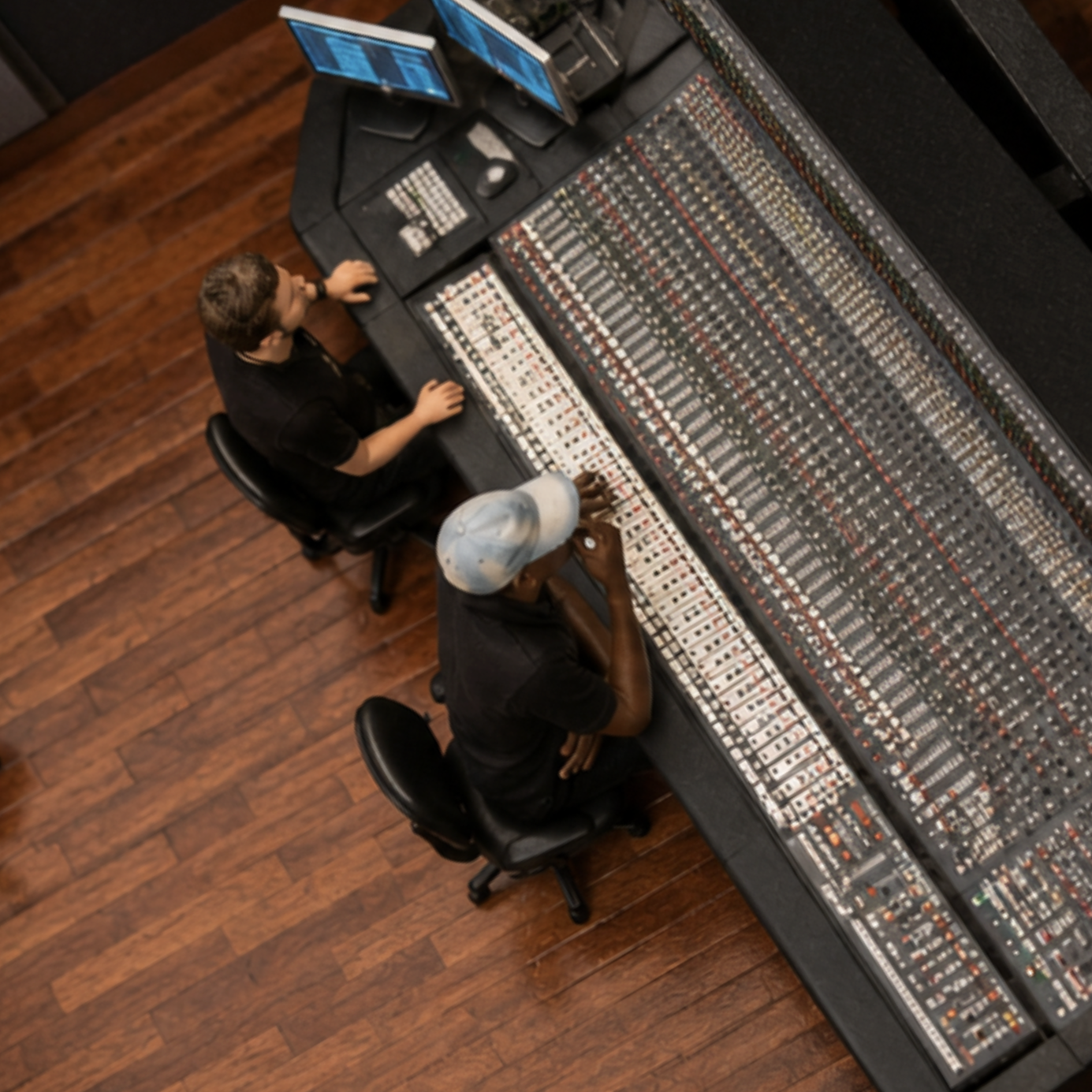
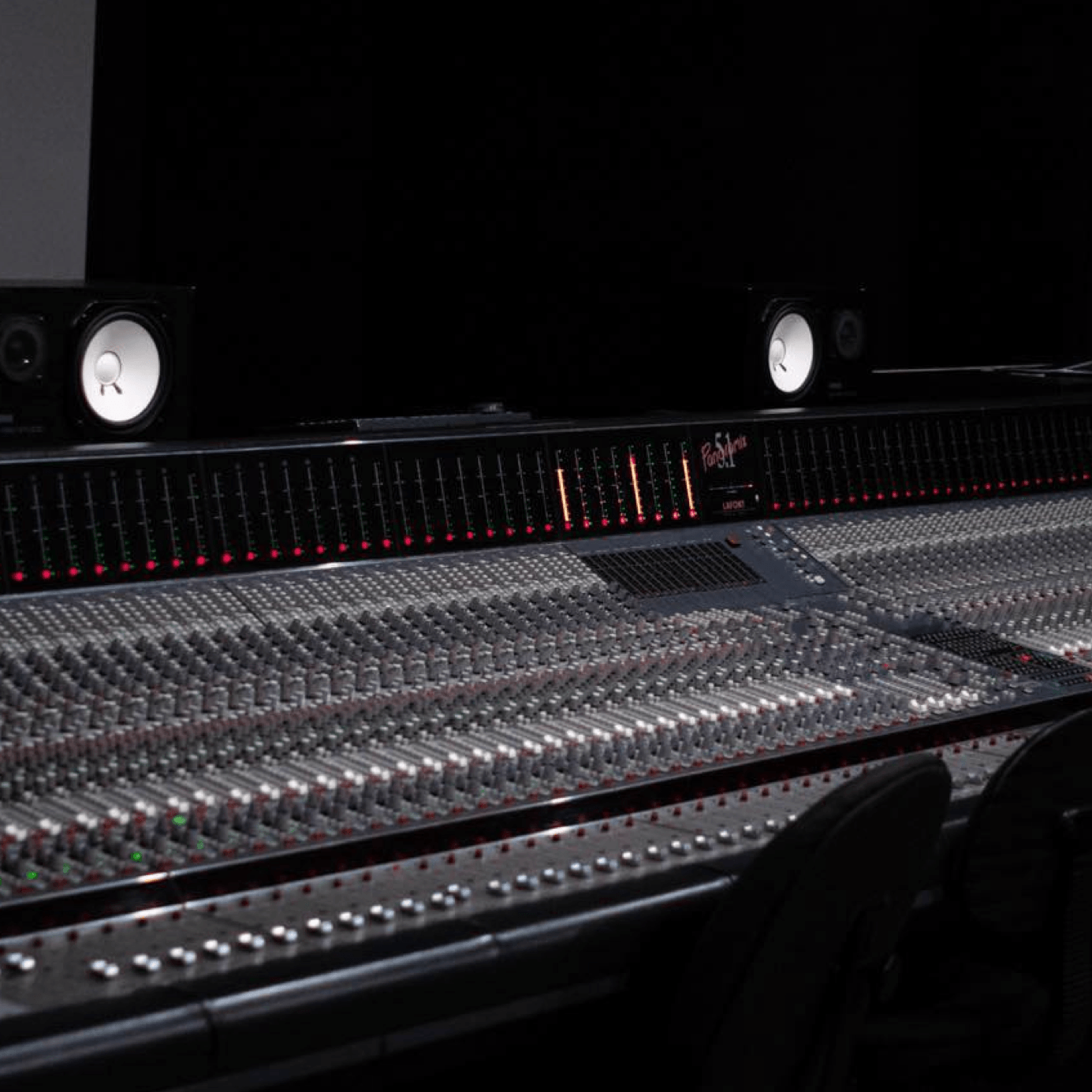
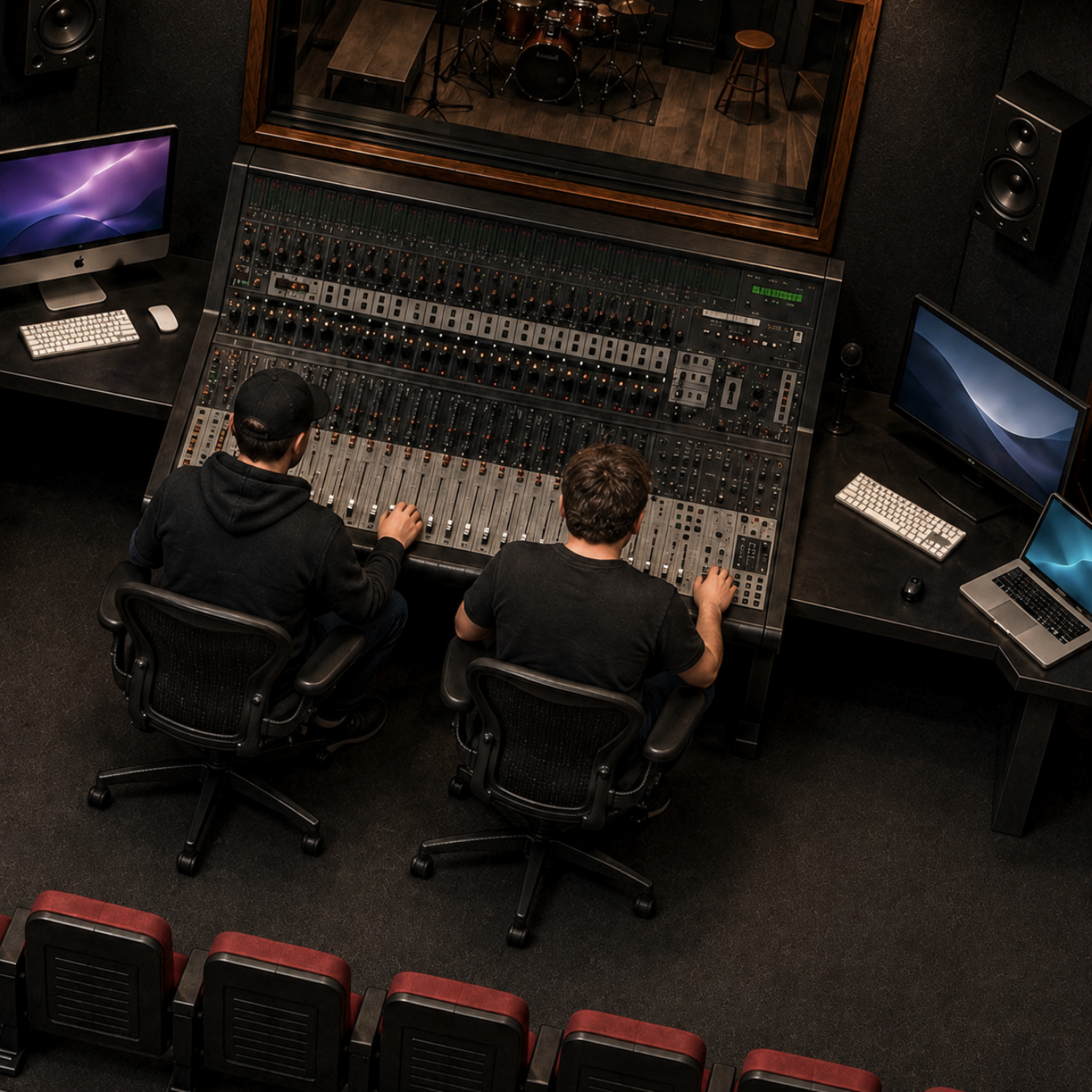
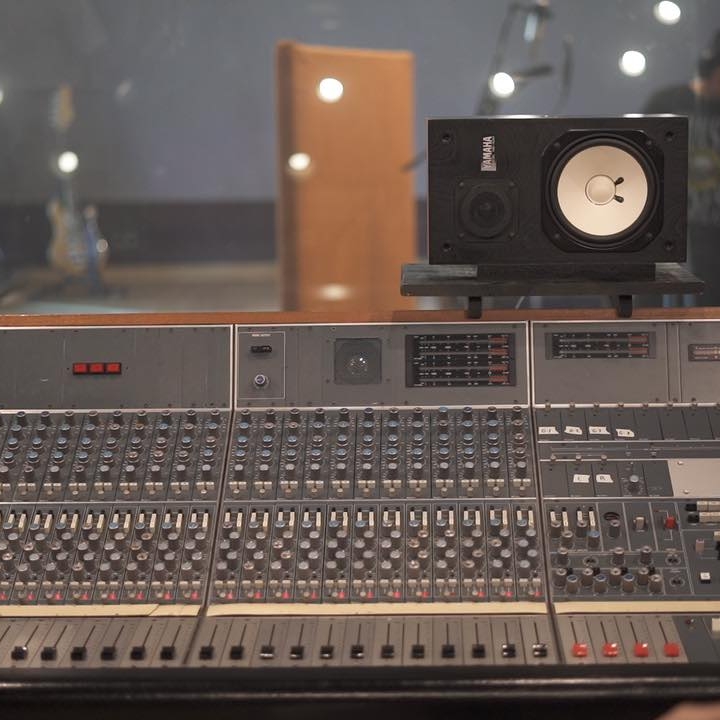
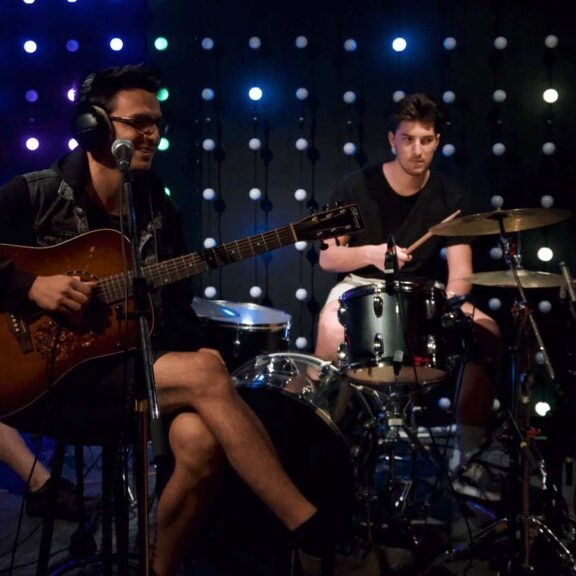
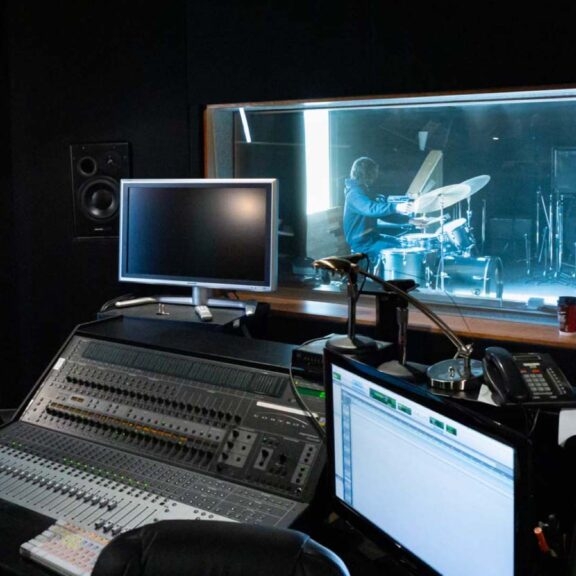
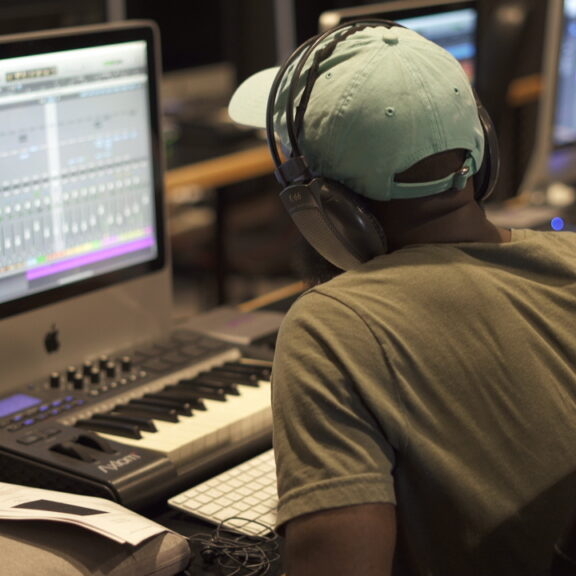
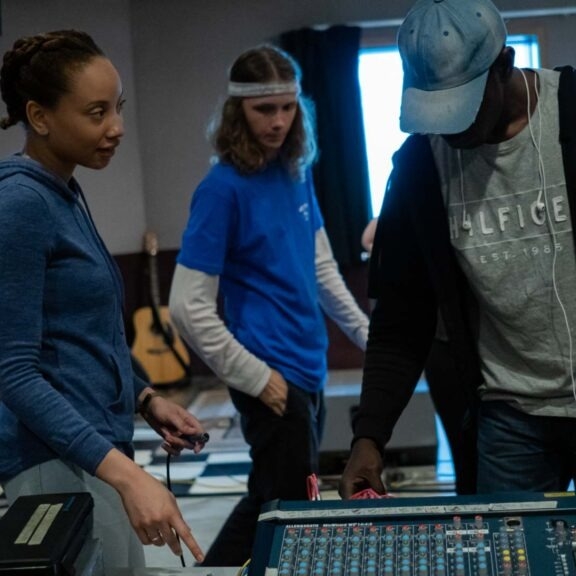
At RAC, every day is a hands-on day, between practice activities, labs, and tutorials during class, and extra studio time available outside of class for collaboration and guidance on personal projects.
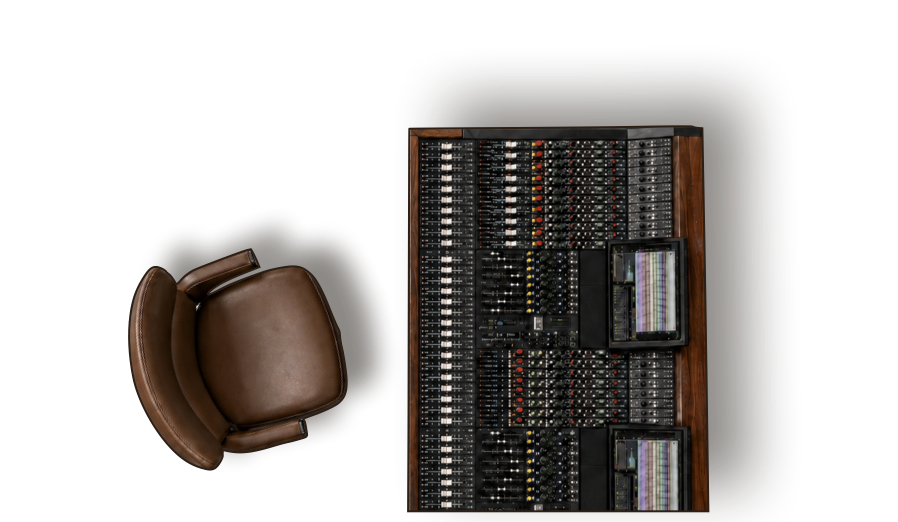
Studio A
RAC Montreal
About this room
Elevate your work and your network
Pull the right people into your orbit and develop your signature sound.
Reach out beyond your own group of classmates, where our data-backed analytics help spark valuable connections, and give you a deep understanding of your own ability, development curve, and creative identity.
Strengths
Composition 50%
Sound Design 30%
Mixing 66%
Mixing
Recording
Fill the gaps that other schools can't
Private tutoring, tailored workshops, and professional feedback are just a few of the ways to personalize your development.
Extra help with areas for improvement; custom workshops covering niche topics critical to your specific path; nuanced feedback on your projects; and more.
Key Concepts Directory
Search concepts, skills and academic outcomes across RAC's 12 sound and music production courses.
Acoustics
Semester 1Key concepts
Academic outcomes
- Analyze how sound behaves within different environments.
- Identify fundamental acoustic characteristics by ear.
- Apply basic acoustic principles to studio spaces.
Audio Consoles
Semester 1Key concepts
Academic outcomes
- Route audio through common console configurations.
- Operate core analogue and digital console functions.
- Configure monitoring for recording and mixing workflows.
Music & Computers
Semester 1Key concepts
Academic outcomes
- Create and edit MIDI-based musical arrangements.
- Integrate software and hardware instruments.
- Build computer-based music production workflows.
Signal Processing
Semester 1Key concepts
Academic outcomes
- Shape tonal balance using equalization.
- Control dynamic range using compression.
- Use time-based effects to create depth and space.
Recording Techniques
Semester 2Key concepts
Academic outcomes
- Prepare and operate a professional recording session.
- Select appropriate recording techniques for different sources.
- Capture and organize multitrack recordings.
Electronics & Technology
Semester 2Key concepts
Academic outcomes
- Explain fundamental electrical concepts used in audio systems.
- Diagnose common studio hardware problems.
- Safely evaluate basic equipment faults.
Aesthetics of Music
Semester 2Key concepts
Academic outcomes
- Analyze the musical structure of a production.
- Evaluate arrangement and orchestration decisions.
- Apply critical listening to creative decision-making.
Sound Design
Semester 2Key concepts
Academic outcomes
- Edit audio efficiently within a digital workstation.
- Transform source material into new designed sounds.
- Build layered sound effects using processing techniques.
Live Sound & Entertainment
Semester 3Key concepts
Academic outcomes
- Configure a basic live sound reinforcement system.
- Select appropriate microphones and loudspeakers.
- Apply live mixing principles to performance environments.
Studio Production Techniques
Semester 3Key concepts
Academic outcomes
- Manage a production from setup through final mix.
- Combine console, DAW and processor workflows.
- Apply appropriate production techniques to different projects.
Post-Production
Semester 3Key concepts
Academic outcomes
- Edit and synchronize audio to visual media.
- Construct layered soundscapes for picture.
- Prepare audio elements for film and television workflows.
Music Industry
Semester 3Key concepts
Academic outcomes
- Explain fundamental music industry business structures.
- Identify common copyright and licensing considerations.
- Develop a basic professional or business strategy.
Meet your fairy godmother
Always accessible and forever on your side, they're ready to help you build your best future.
Your journey at RAC starts with a partner you can count on — from application through your career after graduation.
Strategic Partner
Development Guide
Problem Solver
Advocate
Opportunity Creator
Daily private tutoring
Free extra studio time
Project-based learning
Next session: Fall 2026
General registration for fall is now open.
days
hours
minutes
seconds
Ready to launch your professional career in under a year?
Learn online or on-site
Online program
Study from home and earn a Attestation of College Studies from RAC Montreal.
On-site program
Take the full program on-premise in our state-of-the-art studios, and earn an Attestation of College Studies from RAC Montreal or a diploma from RAC Toronto.
RAC alumni are crushing it
Applicants have our full support.
Applicants have our full support.
- 1-on-1 feedback session with an RAC mentor
- Functional skills & career plan assessment
- Financial aid simulation with a registrar
- Support throughout the admissions process